

Best Thermostat Settings for San Diego Heat Waves
My Guy is Proud to Be "Your Guy" for Your Home
A San Diego heat wave can make a normal afternoon feel like your indoor temperature is fighting back against the heat. When that happens, the right summer thermostat settings matter more than most homeowners think.
For most homes, 76 to 78 degrees Fahrenheit is the sweet spot when you’re home, and a few degrees higher works when you’re away. If your system can’t keep up, that’s often a sign of a real HVAC issue, not a thermostat problem. If the house won’t cool or you need help fast, Call Now.
Key Takeaways
- Set your thermostat to 76 to 78°F when home during the day for the best balance of comfort and energy efficiency, with 74 to 76°F for sleeping and 80 to 82°F when away.
- Lowering the thermostat doesn’t cool your home faster—it just makes the AC run longer and costs more; follow DOE’s 78°F summer recommendation as a starting point.
- Pair smart settings with habits like closing blinds, running ceiling fans, and changing filters to ease HVAC strain, especially in coastal Carlsbad vs. hotter inland areas.
- If your system can’t hold these temps, watch for signs like weak airflow or high bills—call for professional service rather than turning it down further.
The best thermostat range when the heat spikes
If you’re searching for practical thermostat settings Carlsbad homeowners can use during summer heat, start with comfort and system strain. Setting the thermostat too low won’t cool your home faster. It only makes your air conditioning run longer.
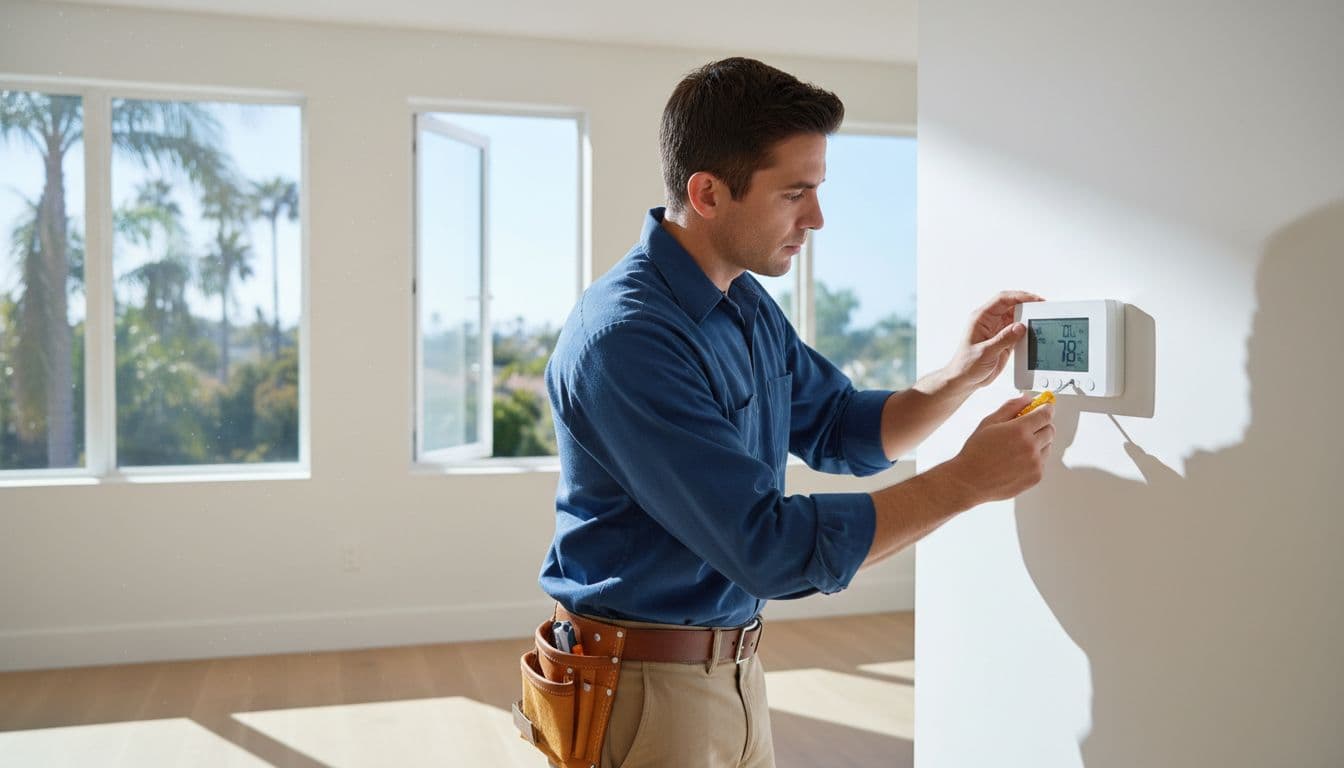
This quick guide helps most homes during hot weather:
| Situation | Recommended setting | Why it works |
|---|---|---|
| Home during the day | 76 to 78°F | Balances comfort and energy use |
| Sleeping | 74 to 76°F | Feels cooler without overworking the system |
| Away for a few hours | 80 to 82°F | Cuts run time while protecting the home |
| Before peak evening heat | 74 to 76°F for a short pre-cool | Helps before outdoor temperature and rates climb |
The takeaway is simple: lower isn’t always better. These settings promote energy efficiency to keep utility bills down. The Department of Energy recommends 78 degrees Fahrenheit for summer comfort, a contrast to the 68 degrees Fahrenheit often used for winter thermostat settings. A home in coastal Carlsbad may hold 76 more easily than one farther inland. Meanwhile, homes in San Marcos or Escondido often gain more afternoon heat, so the system may run longer even with the same setting.
If you’re on a time-of-use energy plan, timing matters too. SDG&E’s thermostat tips recommend pre-cooling before peak evening hours for energy savings and lower cooling costs. That doesn’t mean freezing the house at noon. It means making small, planned changes before the hottest stretch.
Sun exposure also changes the ideal setting. A shaded home may feel fine at 78. A west-facing house with old windows may not. So, use 76 to 78 as your starting point, then adjust by one degree at a time.
If your AC can’t hold 78 on a hot day, turning it down to 70 won’t make it cool faster.
How to stay comfortable without overworking your HVAC
Good thermostat settings help, but they work best with a few smart habits. Think of your thermostat like a pace setter. If the rest of the house is letting heat pour in, your HVAC system has to sprint all day.
Start with the basics. Close blinds on the sunny side of the house by late morning. Replace a dirty filter. Keep supply vents open and clear. Run ceiling fans in occupied rooms to boost energy savings. Fans don’t lower room temperature, but they help your body feel cooler through perceived comfort, so 77 can feel more like 74.
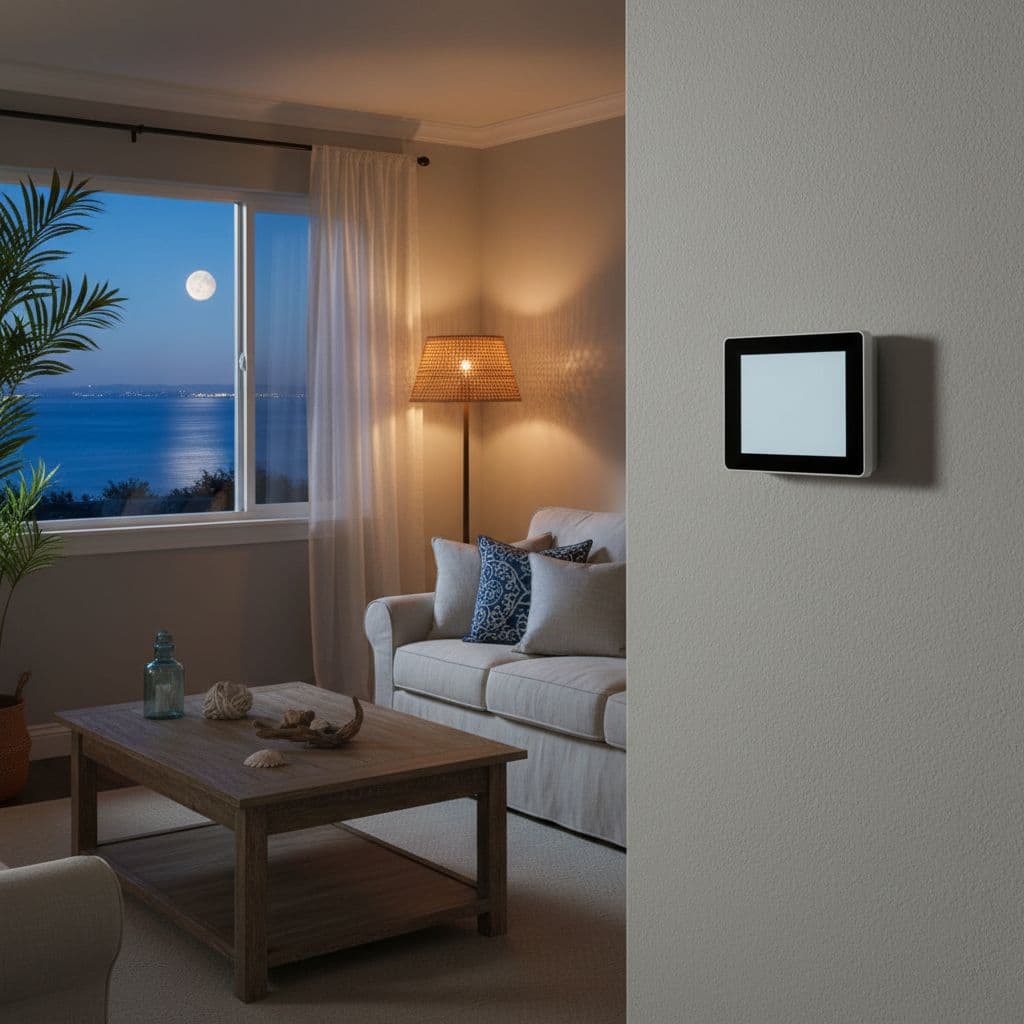
A smart thermostat (or its predecessor, the programmable thermostat) can help during heat waves because it follows a schedule better than most people do, helping manage energy costs. You can raise the setting when the house is empty, then cool it down gradually before everyone gets home. That steady pattern is easier on the HVAC system than wild swings from 82 to 68.
This matters across North County, especially for west-facing houses where insulation and windows greatly affect indoor temperature. A coastal setup may recover faster than an inland one, but coastal environments in North County can lead to salt air corrosion on outdoor units, affecting performance. In other words, the best plan for Carlsbad may still need a small tweak in Fallbrook or Escondido because the afternoon heat hits harder there.
Don’t ignore the rest of the system, either. Weak airflow, leaky ducts, and dirty coils can ruin even the best thermostat plan. The same goes for neglected heating equipment. Your heating and cooling systems share parts of the same comfort setup, especially ductwork, filters, and airflow. Year-round service keeps both sides working better.
Frequently Asked Questions
What are the best thermostat settings for Carlsbad heat waves?
For most homes, 76 to 78°F works best when you’re home during the day, dropping to 74 to 76°F for sleeping. Raise it to 80 to 82°F when away to save energy. Pre-cool to 74 to 76°F before peak evening heat, especially on SDG&E time-of-use plans.
Does setting the thermostat lower make my home cool faster?
No, turning it down to 70°F or lower won’t speed up cooling—it only makes your AC run longer, spiking energy use and bills. Stick to 76 to 78°F as your base; your system cools at the same rate regardless. If it struggles to reach set temps, that’s a sign of an HVAC issue.
How can I save energy without sacrificing comfort?
Close blinds on sunny sides, run ceiling fans to feel cooler at higher temps, and use a smart thermostat for schedules like raising settings when away. Pre-cool before peak hours and keep filters clean. These habits let 78°F feel comfortable while cutting costs in San Diego summers.
When should I call an HVAC professional during a heat wave?
If your system runs constantly but can’t hit 78°F, vents blow weak or warm air, or bills spike unexpectedly, it’s time for service. Issues like low refrigerant, dirty coils, or duct leaks often surface in heat waves. Don’t wait—professional checks prevent bigger problems in Carlsbad or North County homes.
Do coastal Carlsbad homes need different settings than inland areas?
Coastal spots like Carlsbad hold 76°F easier due to milder afternoons, while inland like Escondido may need tweaks as heat builds faster. Start with 76 to 78°F everywhere, then adjust by one degree based on sun exposure and insulation. Salt air in coastal areas can corrode units, so regular maintenance matters more.
When thermostat changes won’t fix the problem
Sometimes the setting is fine, but the equipment isn’t. Heat waves often expose problems that stayed hidden in mild weather. The unit might have limped along in June, then fall apart during the first real hot spell.
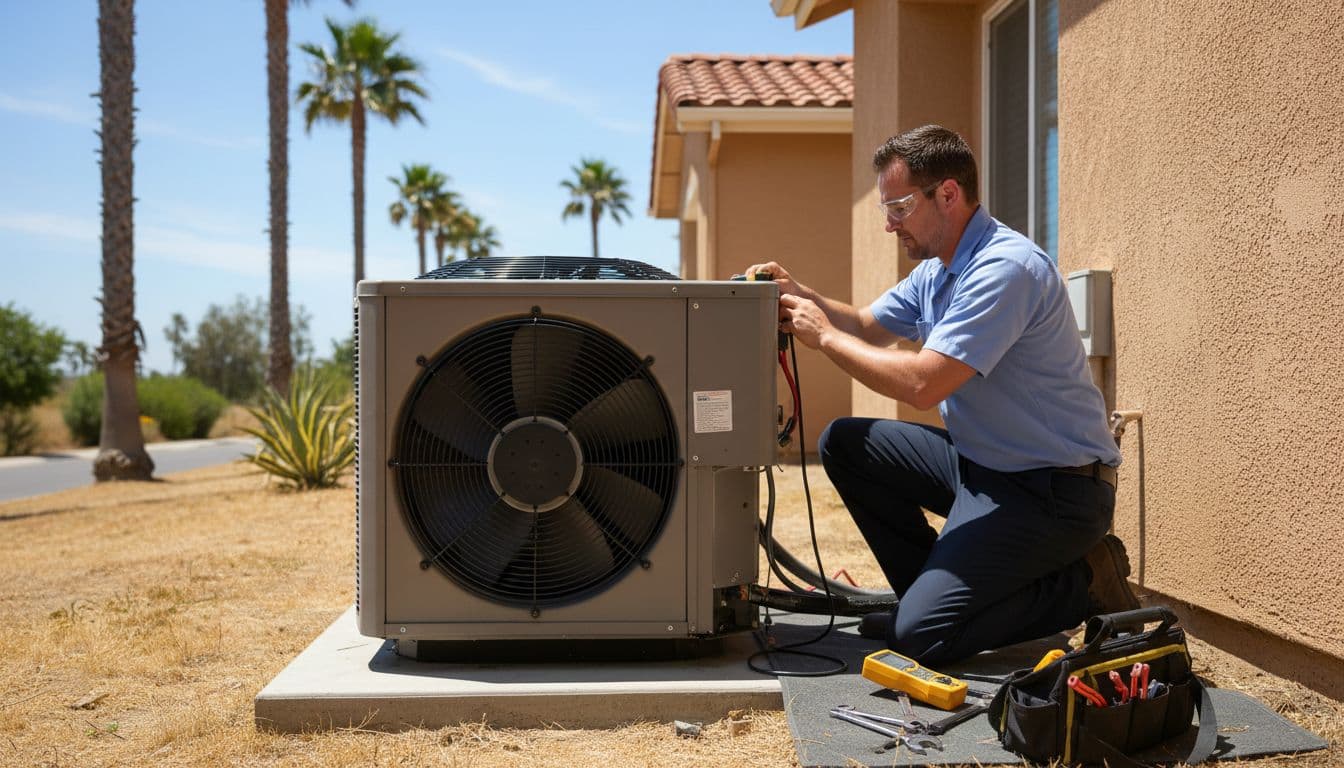
Watch for a few warning signs:
- The system runs for hours and still can’t reach the set temperature.
- Air coming from the vents feels weak or warmer than usual.
- Some rooms stay hot while others cool normally.
- Energy consumption rises significantly, spiking your electric bill even though your thermostat habits haven’t changed.
When these signs show up, you may need service, not a lower setting. Common causes include low refrigerant, a failing capacitor, a clogged outdoor coil, or duct leaks. That’s when professional AC repair makes sense. Beyond equipment trouble, common thermostat myths like poor thermostat location near a window or lamp can also cause inaccurate readings and cooling issues.
For example, a homeowner may think they need colder thermostat settings, but the real issue is an aging condenser or poor airflow. That’s true whether you’re scheduling AC repair in Vista, checking on an older air conditioning system in Oceanside, or dealing with heavy inland heat in San Marcos.
A local HVAC expert should inspect the outdoor unit, indoor coil, blower, electrical parts, and airflow throughout the heating and cooling system. If the system is short-cycling or blowing warm air, don’t wait. Pushing it through a heat wave can lead to a bigger repair bill or even heating repairs later in the year.
The best thermostat setting is the one your system can hold without strain. If it can’t hold a normal comfort range, the thermostat isn’t the main problem.
A San Diego heat wave doesn’t call for panic setting changes. It calls for a steady plan, usually 76 to 78 degrees when you’re home, with small temperature adjustments, schedule changes, and effective humidity control for true comfort during San Diego heat waves, plus a system that’s in good shape.
That simple approach works better than cranking the temperature down and hoping for the best. If your home still won’t stay cool, it’s time to get expert help and Book Online.