

Why Your AC Is Buzzing in San Marcos
My Guy is Proud to Be "Your Guy" for Your Home
A buzzing AC can sound minor, but it often points to a part that is struggling. In San Marcos TX, that noise tends to show up during long hot stretches, when your air conditioning system is already working hard.
Sometimes the cause is small, like debris rattling near the outdoor unit. Other times, the sound comes from an electrical part that needs quick attention. If you’ve got a buzzing AC San Marcos, the next step is figuring out whether it’s a safe home check or a call for AC repair San Marcos.
Key Takeaways
- A constant buzzing AC San Marcos is not normal and often points to electrical issues like a bad capacitor, worn contactor, loose wiring, or debris; brief startup noises are typical.
- Shut the system off immediately if buzzing comes with no fan movement, warm air from vents, breaker trips, burning smell, or weak airflow to avoid costly compressor damage.
- Safely check the air filter, thermostat, outdoor debris, sound location, and airflow before calling for AC repair San Marcos, but never touch wires or electrical parts.
- Routine air conditioning service catches wear, dirt, and loose parts early, preventing buzzing and breakdowns during San Marcos hot spells.
- For buzzing AC issues, contact a trusted HVAC pro for quick diagnosis and repair to keep your home cool and reliable.
What a Buzzing AC San Marcos TX Often Points To
Every air conditioning system makes some sound. You might hear airflow at the vents, a click at startup, or the outdoor fan spinning, along with brief banging noises or hissing sounds from normal refrigerant flow. What you should not hear is a steady, harsh buzz that lingers, grows louder, or starts along with weak cooling.
In San Marcos, AC systems deal with dust, dry leaves, and long run times through warm weather. Because of that, a simple buzzing noise can come from a loose panel, a stick near the fan blades, or dirt buildup that throws parts out of balance. Still, some of the most common causes sit inside the unit, including a malfunctioning capacitor, worn contactor, loose wiring, or a struggling fan motor.
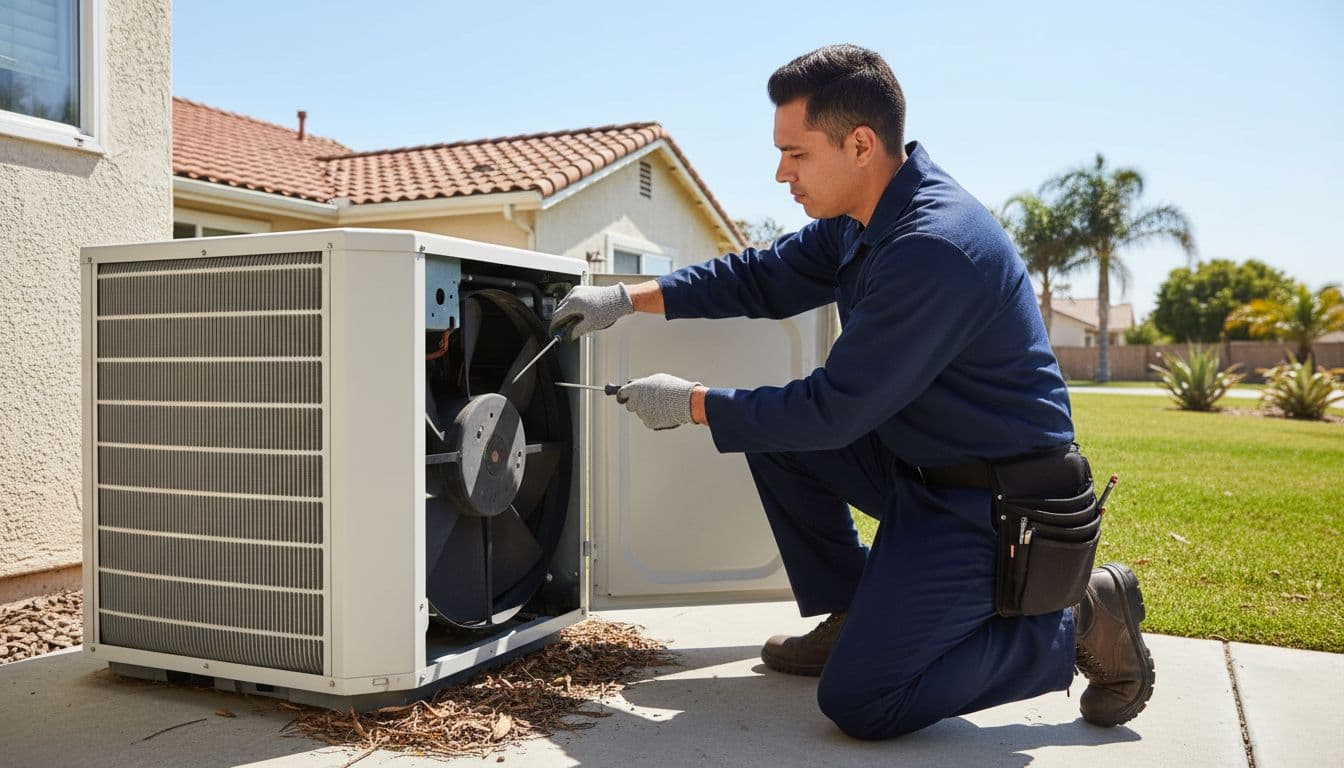
A loud buzz from the outdoor condenser with no fan movement often points to an electrical issue or a seized motor. On the indoor side, a buzz near the air handler can mean the blower motor is under strain, especially if the filter is clogged. In older systems, vibrations can also make metal panels hum or buzz when screws loosen over time.
This quick guide helps narrow it down:
| Where the buzz comes from | Common cause | What to do |
|---|---|---|
| Outdoor unit, fan not spinning | Bad capacitor, motor trouble, electrical fault | Turn the system off and call for service |
| Outdoor unit, fan spinning | Loose panel, debris, contactor noise | Inspect from a safe distance |
| Indoor unit or attic | Blower issue, dirty filter, loose housing | Replace filter, then recheck |
| Thermostat area or breaker panel | Electrical problem | Stop using the system and get help |
The big takeaway is simple: brief startup noise can be normal, constant buzzing is not. If the sound keeps returning, your HVAC system is asking for AC repair San Marcos before a full breakdown hits.
When the buzzing noise means you should shut the system off
Some buzzing sounds are more than annoying. They are warning signs. If the unit hums loudly but won’t start, or if it starts and then trips the breaker, stop running it. Pushing it harder can damage the compressor, producing those ominous compressor sounds, and that is one of the most expensive air conditioning repairs a homeowner can face.
Electrical issues are a leading cause. A bad capacitor may try to send power to the motor, but the motor can’t get moving. That creates a loud buzz. A failing contactor can also chatter or vibrate. Loose wiring may buzz, spark, or smell hot. None of those problems are safe to ignore.
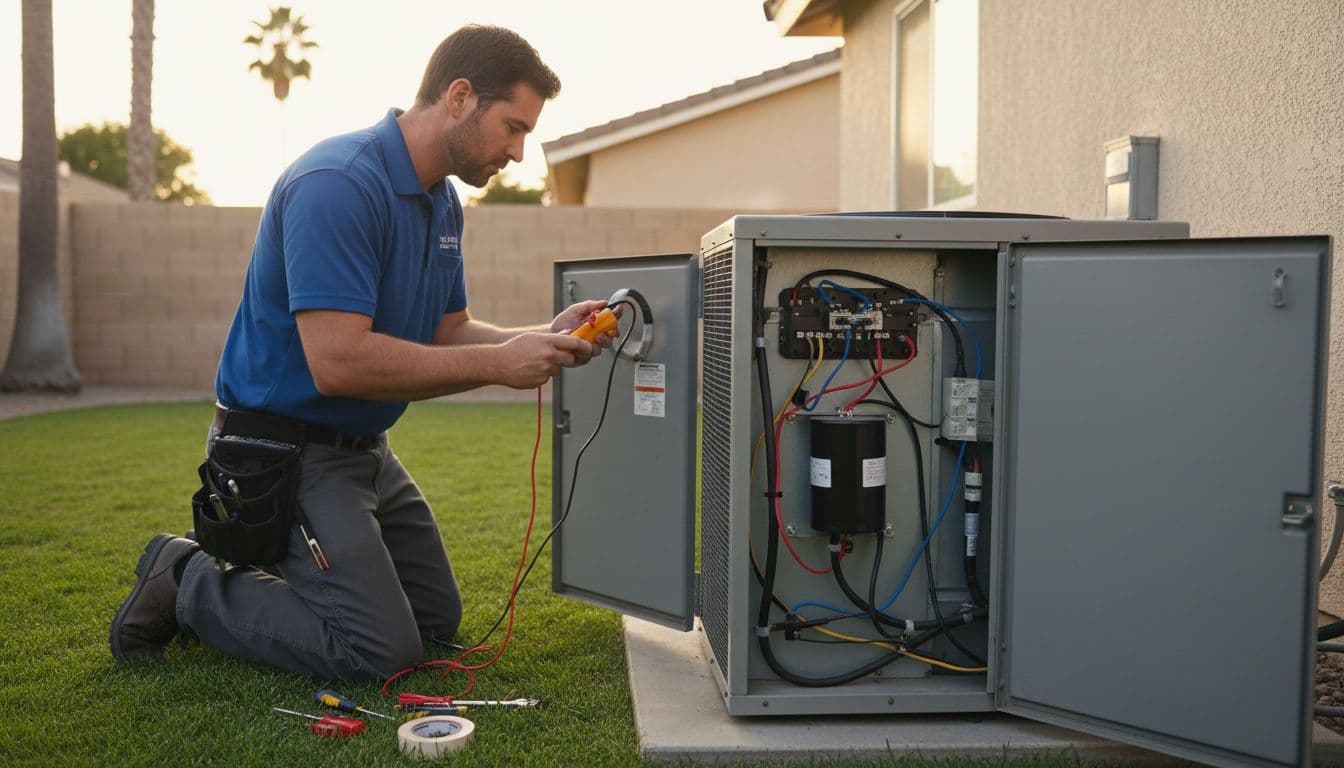
Pay close attention to what happens with the noise. If the buzz comes from the outdoor unit with blowing warm air from the vents, weak airflow, a burning smell, visible ice, or a refrigerant leak causing hissing, shut the system off at the thermostat. Then leave it off until a technician can inspect it. The same rule applies if the breaker itself is buzzing. That points to a power issue that should never become a DIY project.
If the buzzing comes with a burning smell, blowing warm air, or a breaker problem, turn the AC off right away.
This is where emergency AC repair matters. Catching a bad capacitor or loose wire early is usually far easier than replacing a failed compressor. In San Marcos, where summer heat can make your home warm up fast, a small delay can turn a repair visit into an emergency call.
What you can safely check before calling for AC repair
You do not need to take the system apart to gather useful clues. A few simple checks can tell you whether the problem is minor or whether you need an HVAC technician right away for AC repair San Marcos. These checks are safe because they stay outside the electrical side of the equipment in your San Marcos TX home.
Start with the easiest items first:
- Check the air filter. If it looks packed with dust, replace it. A clogged filter can strain the blower and make the indoor unit buzz.
- Look at the thermostat settings. Make sure it is set to “cool” and the fan setting is where you want it.
- Walk around the outdoor unit. Remove leaves, weeds, or loose debris near the base, check for loose parts, but do not open the electrical panel.
- Listen for the exact location of the sound. A buzz at the condenser means something different than a buzz in the attic or closet.
- Notice the airflow. If the system buzzes and barely pushes air, or if you spot frozen coils, the blower side may be involved.
These checks help because they give a technician a better starting point. You can say, “The outdoor unit is buzzing, but the fan is not turning,” or “The indoor unit buzzes and airflow is weak.” That kind of detail often speeds up diagnosis.
What should you avoid? Do not touch wires. Do not test a capacitor. Do not force stuck fan blades with your hand or a tool. Even when the system is off, electrical parts can hold a charge. Homeowners can safely look, listen, and change a filter. Beyond that, it’s time for professional AC repair.
If the buzzing started after a power outage, mention that when you call. Power surges can damage capacitors, contactors, and boards. If the noise appeared after yard work, tell the technician that too. A small stone or twig near the fan can save time if the source is mechanical rather than electrical.
How Routine Air Conditioning Service Helps Prevent Repeat Buzzing
Most buzzing noises do not appear out of nowhere. Wear builds slowly. Dirt collects. Connections loosen. Motors strain longer than they should. That is why regular maintenance, such as an AC tune-up, often catches the problem before the sound ever starts.
During air conditioning service, a licensed HVAC professional can inspect electrical connections, test the capacitor, clean condenser coils and evaporator coils, and check the contactor for wear. They can also look at the blower assembly, fan motor, and mounting hardware. If something is starting to vibrate or overheat, it is much easier to fix early.
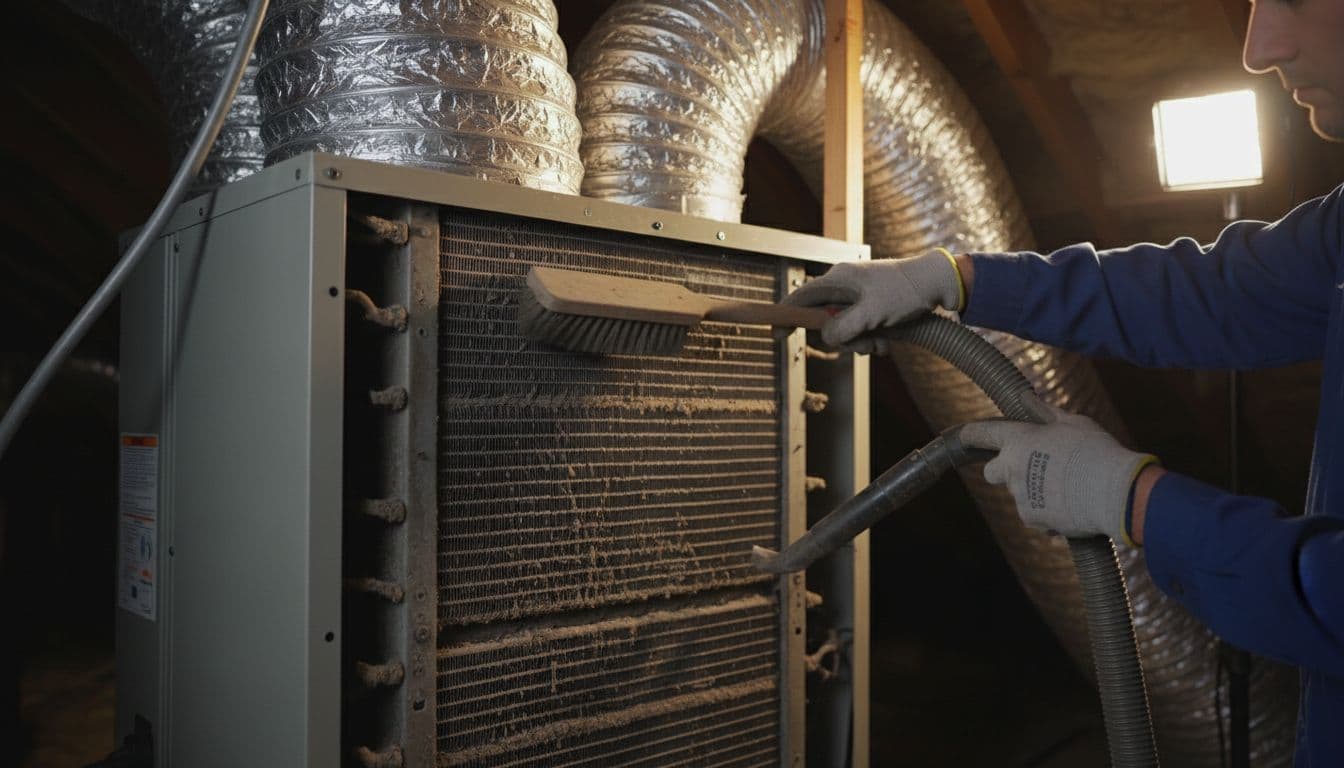
This matters for more than summer cooling. In many homes, the same indoor blower supports central air conditioning and heating while improving indoor air quality. If that blower is dirty or worn, you may hear noise in both seasons, and a ductwork inspection can reveal related issues. A tune-up before cooling season, and another check before heating season, can help your system stay quieter and more reliable year-round.
San Marcos homes also deal with fine dust and long cooling cycles, which means maintenance is not just about efficiency. It helps protect parts that fail under stress, boosting energy efficiency and supporting a strong SEER rating matched to your cooling load. When a system starts to buzz, it usually means something is loose, dirty, worn, or struggling electrically. Regular service catches those issues while the repair is still manageable, and for long-term reliability, consider professional AC installation tailored to local needs.
Frequently Asked Questions
Is a buzzing sound from my AC normal?
Normal AC operation includes airflow, clicks, fan spin, or brief hisses from refrigerant. A steady, harsh buzz that lingers or worsens with weak cooling is not normal and signals a problem like debris, loose parts, or electrical strain in San Marcos systems.
What should I do if my outdoor AC unit is buzzing but the fan isn’t spinning?
Turn the system off at the thermostat right away, as this often means a bad capacitor, seized motor, or electrical fault. Do not attempt repairs yourself; call for AC repair San Marcos to inspect safely and prevent further damage like compressor failure.
Can I fix a buzzing AC myself before calling a technician?
You can safely replace a clogged air filter, clear debris around the outdoor unit, check thermostat settings, and note airflow or sound location. Avoid touching wires, panels, or fan blades, as electrical parts hold charge even when off—leave those to pros for AC repair San Marcos.
Why does regular AC maintenance prevent buzzing noises?
Routine service inspects and cleans capacitors, contactors, coils, motors, and connections that wear from San Marcos dust and heat. It catches loose parts or strain early, keeping your system quiet, efficient, and reliable through long cooling seasons.
When is buzzing a sign of an emergency AC repair?
If buzzing pairs with breaker trips, burning smells, warm air, ice on coils, or hissing refrigerant leaks, shut off the unit and seek emergency service. Delaying risks expensive damage during San Marcos summers when homes heat up fast.
Conclusion
A buzzing AC is easy to brush off for a day or two, especially if the house still feels cool. Still, that sound often means a part is under strain, and small problems have a way of getting expensive.
If the buzz is constant, loud, or tied to weak cooling, shut the system off and schedule an air conditioning service. If the issue is simple, you will know quickly. If it is electrical, acting early protects your HVAC system, your comfort, and your wallet. For expert AC repair San Marcos, contact a trusted professional today.