

Furnace Limit Switch Escondido: Safe Checks for Homeowners
My Guy is Proud to Be "Your Guy" for Your Home
A furnace that shuts off while the blower keeps pushing cool air deserves attention. Airflow problems are common, but overheating can activate the high-limit control.
For Escondido homeowners, a search for furnace limit switch Escondido usually means the furnace is shutting down or the blower is running without heat. Don’t bypass a safety control to restore heat. Start with the low-risk checks below, then call for help if the furnace’s behavior suggests a safety or mechanical problem.
Key Takeaways
- A furnace that stops heating may be responding to a safety concern.
- Basic airflow checks are appropriate for homeowners.
- Never bypass or permanently reset a safety control.
- Ongoing problems require help from a qualified HVAC professional.
Key Takeaways
- A furnace that stops heating while the blower keeps running may be responding to an overheating condition.
- Homeowners can safely check the filter, thermostat settings, registers, return grilles, and visible vent terminations.
- Never bypass, jump, or permanently reset a furnace limit switch or another safety control.
- Repeated short cycling, cool air, unusual odors, or safety alarms require prompt help from a qualified HVAC professional.
What the Furnace Limit Switch Does
A furnace limit switch is a temperature safety control located near the heat exchanger. It monitors air temperature in that area, not the room temperature shown by the thermostat.
When the furnace becomes too hot, the high-limit switch interrupts the circuit to the gas valve and stops the burners. The furnace blower usually keeps running to carry heat away. This safety feature is separate from normal thermostat temperature regulation. Once the unit cools, many fixed limit controls reset automatically.
That shutdown protects the heat exchanger and reduces the chance of dangerous overheating. It does not correct the condition that caused the high temperature. Restricted airflow, a weak blower motor, dirty components, or a control problem may remain for the next heating cycle.
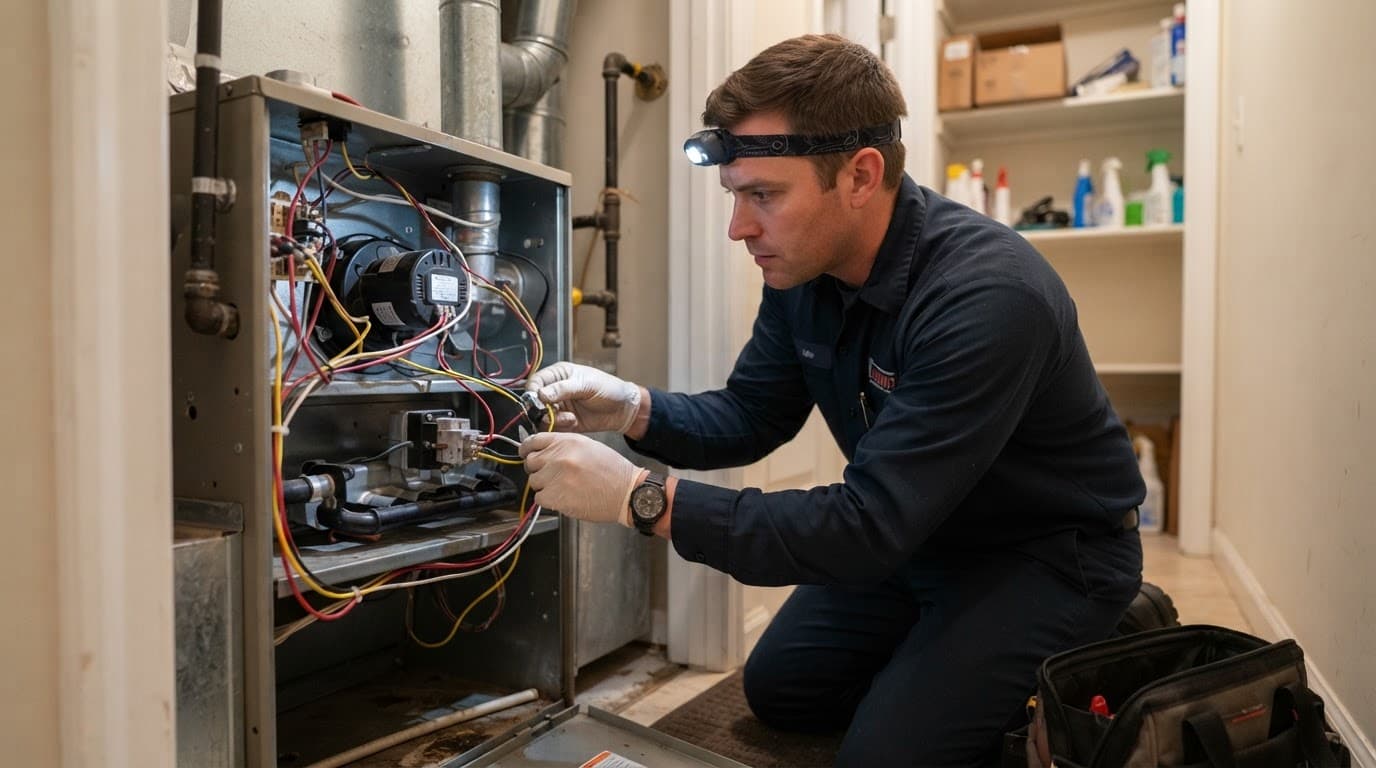
Older systems may use a fan limit switch with separate fan and temperature controls. Newer furnaces often use a fixed limit control and a control board that manages blower timing. Either way, the component is part of the furnace’s safety circuit, not an optional convenience feature.
Warning Signs of a Bad Furnace Limit Switch
A faulty switch can cause trouble, but it may be reacting correctly to another furnace problem. Pay attention to the sequence of events, especially burner shutdowns, and note whether the burners stop before the blower.
Short cycling is one common sign. The furnace starts, runs for only a few minutes, shuts off before reaching the thermostat setting, then tries again later. Repeated short cycles waste fuel and put extra wear on ignition parts and the blower.
These patterns can help narrow down the issue:
| What you notice | Possible explanation | What it may mean |
|---|---|---|
| Burners shut off but the blower keeps running | High-limit trip or normal post-cycle cooling | The furnace may be overheating |
| Furnace starts and stops several times per hour | Restricted airflow, limit trip, thermostat issue | A technician should diagnose the full sequence |
| Blower runs with no heat | Thermostat fan set to “On,” control board issue, or safety lockout | Check the fan setting first |
| Air turns cool before the thermostat is satisfied | Burners are stopping early | Limit control or airflow trouble is possible |
An HVAC technician can diagnose the full sequence when these symptoms repeat.
A blower that runs for a minute or two after a normal heating cycle may be doing exactly what it should. However, a blower that runs much longer, paired with cool air and repeated burner stops, needs attention.
A blower that keeps running after the burners shut off can be doing its assigned cooling job. The concern is the overheating event that started the run-on.
Also watch for new rattling, humming, weak airflow at several vents, or a burning smell that doesn’t fade quickly. Turn the furnace off and seek help if you smell gas, hear an unusual boom at ignition, or a carbon monoxide alarm sounds.
Safe DIY Checks Before Calling for Furnace Repair
Homeowners can correct a few simple airflow problems without opening electrical compartments or touching gas components. Start with the thermostat settings: select “Heat,” raise the setpoint a few degrees above room temperature, and set the fan to “Auto,” not “On.”
Then work through these safe checks:
- Replace a dirty air filter with the correct size, and install it with the airflow arrow pointing toward the furnace. Use the rating recommended for your system, since it supports airflow and energy efficiency without creating unnecessary restriction.
- Open supply registers throughout the house, and remove furniture, rugs, or curtains blocking return grilles. Closing many vents does not save energy and can raise furnace temperatures.
- Check that the furnace access door is fully seated. Many furnaces have a door switch that prevents operation when the panel is loose.
- Look at the exterior furnace intake and exhaust terminations from the ground, if your system has them. Remove loose leaves or visible debris, but don’t insert tools into the vent pipes.
- Note the cycle before resetting anything. Record whether the inducer starts, the pressure switch closes, the burners light, and how long they run. Also note when the blower turns on. That timeline helps an HVAC technician find the real cause faster.
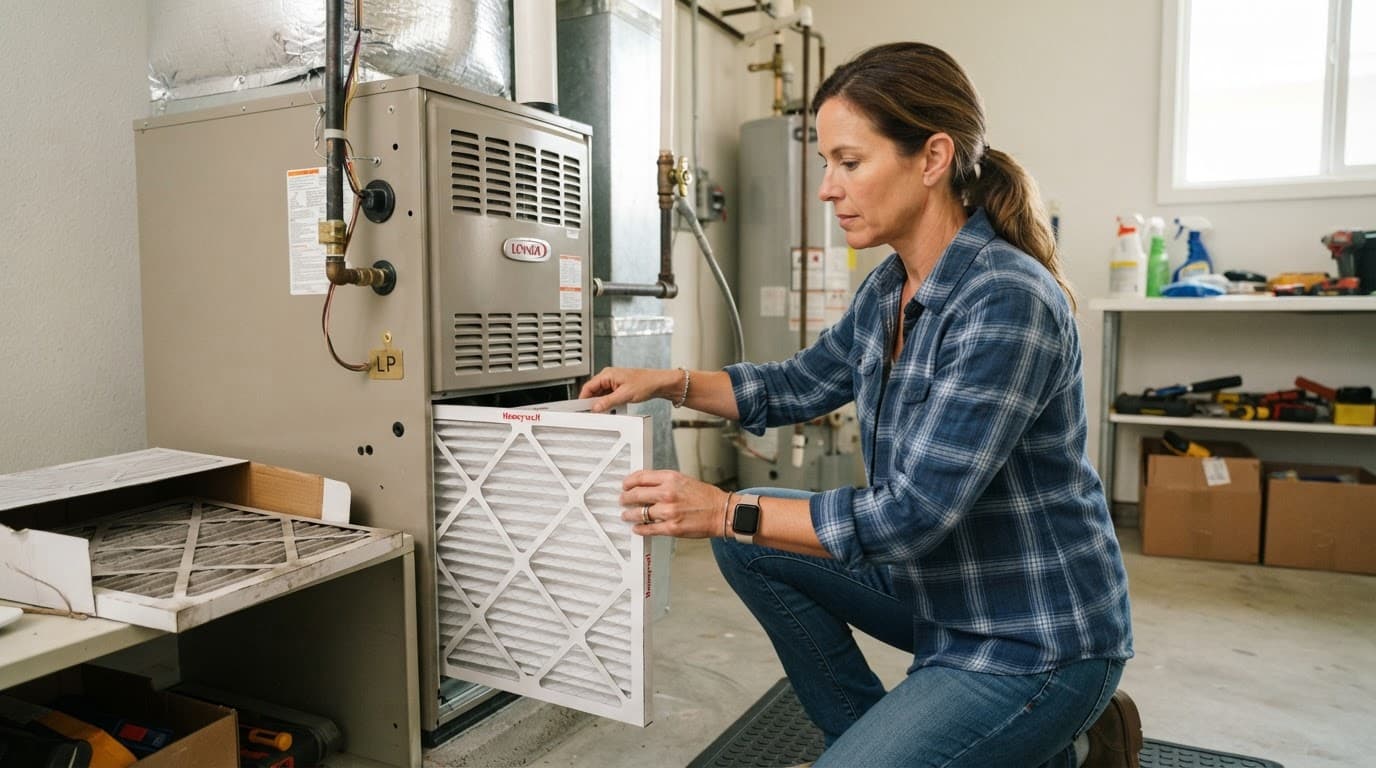
Do not remove burner panels, disconnect limit-switch wiring, or try to force the furnace to run. A tripped rollout switch can look similar to a limit issue, yet it may point to a flame, venting, or heat exchanger concern. Leave any manual-reset safety switch alone until a professional inspects the unit.
What a Multimeter Test Can and Cannot Confirm
Some homeowners look for an ohm reading to confirm a failed limit switch. A normally closed fixed limit switch often reads close to 0 ohms at room temperature when disconnected from the furnace and tested with all power off. An open or “OL” reading on a cool switch can indicate a failed component.
Still, that test does not prove the switch caused the problem. A switch can reset after cooling and show continuity, even though it opened earlier because airflow was poor. Fan-limit controls also have different terminals and functions.
Never test live voltage unless you are trained to work safely around furnace electrical circuits. Do not jump, bypass, or tape together any safety-switch wires. Bypassing the high-limit switch removes temperature protection and can create a fire or carbon monoxide hazard.
Why High-Limit Switches Trip
The most common cause is a clogged air filter. A blocked filter makes it harder for the furnace blower to pull air across the heat exchanger. Excess heat then builds faster than the system can move it into your rooms.
Other causes include a failing blower motor, worn capacitor, loose blower belt on older equipment, dirty evaporator coil, or closed registers. Undersized ducts may cause restricted airflow and need ductwork inspections. A malfunctioning control board can disrupt the blower; correcting these problems reduces strain and supports energy efficiency.
A faulty limit control is possible, especially when it opens at normal temperatures or fails to reset. Still, replacing it without fixing the underlying airflow problem can lead to another shutdown. During a proper local furnace diagnosis, the technician should check the full heating system rather than treating the switch as the only suspect.
Repair Costs and When to Call an HVAC Technician
Professional furnace limit switch replacement cost is commonly about $100 to $375. The final price depends on location, furnace model, switch type, access, diagnostic time, and whether another part caused the trip.
Costs rise when the service call finds a weak blower motor, damaged wiring, a dirty coil, or heat-exchanger trouble. A technician may also test a pressure switch and other safety controls when burners fail to light or the furnace locks out. Proper diagnosis matters more than quickly replacing an inexpensive switch.
Arrange heating services in Escondido for furnace repair when the furnace repeatedly short cycles or blows cool air during a heat call. If it trips again during the next heating cycle after you replace the filter, schedule service. Shut the system off and request emergency furnace repair in Escondido if you smell gas, see soot, hear loud ignition problems, or a carbon monoxide alarm sounds.
Annual Furnace Maintenance Helps Prevent Overheating
Schedule professional furnace maintenance once a year, preferably before the heating season begins. A technician can perform a furnace tune-up, inspect combustion, test safety controls, evaluate the blower motor, and spot airflow restrictions that a visual check misses.
Because many homes use one forced-air blower for heating and air conditioning, annual HVAC maintenance in Escondido also supports summer comfort. Service can support energy efficiency and indoor air quality by identifying airflow restrictions, dirty components, or filtration problems. A company that handles AC repair in Vista should understand the shared blower system, although furnace safety faults need their own diagnostic process. Regular care helps your system perform better during both heating and A/C seasons.
Conclusion: Keep the Safety Circuit Intact
A furnace limit switch protects your home by shutting down burners when temperatures climb too high. A clean filter, open vents, and thermostat settings with Heat mode and Fan Auto selected are safe first checks.
If the furnace continues to short cycle or the blower runs with cool air, don’t bypass the safety wiring. Leave the safety circuit intact and schedule a proper diagnosis. Book Online when your furnace needs a trained set of eyes.
Frequently Asked Questions
Can a dirty air filter trip a furnace high-limit switch?
Yes. A clogged filter restricts airflow across the heat exchanger, causing temperatures to rise until the limit control opens. Replace the filter and monitor the next heating cycle.
Is it safe to bypass a furnace limit switch?
No. Bypassing or jumping the furnace limit switch can let burners operate during overheating. This may damage the furnace and create fire or carbon monoxide risks.
How often should Escondido homeowners schedule annual service?
Schedule professional furnace maintenance once each year, ideally before the heating season. Call sooner if the furnace short cycles, produces weak airflow, or repeatedly shuts down before reaching the thermostat setting.