

Furnace Pilot Light Fallbrook Troubleshooting
My Guy is Proud to Be "Your Guy" for Your Home
A furnace that lights, then dies, can make a cool Fallbrook morning feel a lot colder. When you find that your furnace pilot light won’t stay lit, the problem is often small at first, but it rarely fixes itself without some attention.
Many homeowners notice the issue after months of relying on air conditioning, not heating. A weak pilot flame, a dirty part, or a failing safety sensor can all stop your system from staying on. The good news is that a few simple clues usually point you in the right direction to get your home warm again.
Key Takeaways
- Identify the System Type: Before troubleshooting, verify if your furnace uses a traditional standing pilot light or a modern electronic ignition system, as repair paths differ significantly.
- Common Culprits: A pilot light that refuses to stay lit is most frequently caused by a faulty thermocouple, a dirty pilot orifice, or interference from unexpected drafts.
- Perform Safe DIY Basics: You can attempt to relight the pilot following manufacturer instructions or clear debris from the area, but avoid excessive relighting attempts if the flame fails to hold.
- Know When to Call a Pro: If the pilot flame is yellow, unstable, or persists in shutting off, contact a professional to ensure safety, check for gas leaks, and inspect critical components like the heat exchanger.
Why the pilot light keeps going out
First, make sure your system actually has a pilot light. Many newer gas furnaces use electronic ignition rather than a standing pilot. If you remove the access panel and do not see a steady small flame, your furnace likely uses a modern electronic ignition system instead of a traditional pilot.
In older Fallbrook homes, standing-pilot systems are still common, especially in garages, utility closets, and older wall or floor furnaces. When that pilot won’t stay lit, the usual cause is a part that no longer senses heat correctly. Most often, that part is the thermocouple. It sits next to the flame and signals the gas valve to keep the fuel flowing while the pilot is burning safely. If the thermocouple gets dirty, bent, or worn out, the gas valve shuts off the supply for safety.
Other problems can cause the same headache. Dust can clog the pilot opening and shrink the flame. A draft can push the flame off the sensor. A weak gas supply, or issues with your natural gas line, can also cut flow too soon. In some cases, low pressure is the primary issue.
This quick chart helps narrow it down:
| What you notice | Likely cause |
|---|---|
| Flame dies when you release the knob | Bad or misaligned thermocouple |
| Flame looks small or yellow | Dirty pilot opening |
| Flame goes out on windy nights | Draft or ventilation problem |
| Pilot won’t light at all | Gas supply problem or faulty valve |
The pattern matters. If the flame lights cleanly but drops out seconds later, the thermocouple moves to the top of the suspect list. If the flame flickers wildly, airflow or a ventilation problem is more likely.
If you smell gas or hear hissing, leave the house first. If you suspect a gas leak, call your utility provider or emergency services from outside immediately.
Safe DIY checks before you call
There are a few things you can check on your own before setting up service. Stay on the safe side, though. Gas controls and burner parts need care.
- Read the lighting instructions on the unit. Most furnaces have a label near the access panel. Follow that exact sequence, hold the control knob for the full time listed, and follow the manufacturer steps to relight the pilot.
- Look at the pilot flame color and shape. A healthy pilot is usually a blue flame that burns steady. If you see a yellow pilot light that looks weak or split, dirt may be blocking the pilot opening.
- Check for obvious drafts. An open garage door, a loose utility room door, or a strong breeze can disturb a small pilot flame. Fallbrook homes with furnaces in garages can run into this more often than expected.
- Replace a dirty air filter if your furnace uses one. A clogged filter does not usually kill a pilot by itself, but poor airflow can add stress to the entire heating system.
- Clear clutter around the furnace. Boxes, paint cans, and stored items can block combustion air or create dust that ends up inside the burner area. As a general safety precaution, always ensure your carbon monoxide detectors are working properly whenever your furnace is acting up.
You can also inspect the visible thermocouple. If it looks coated with soot or sits away from the flame, that may explain the problem. Cleaning or repositioning it sounds simple, but it is easy to damage. Skip the guesswork if you are unsure.
Relight attempts should stay limited. If the pilot keeps failing after one or two careful tries, stop there. Repeated attempts can hide a bigger issue and waste time.
When a furnace repair visit makes more sense
Some pilot light problems move past DIY fixes quickly. If your furnace lights but shuts off repeatedly, professional furnace repair testing matters more than trial and error.
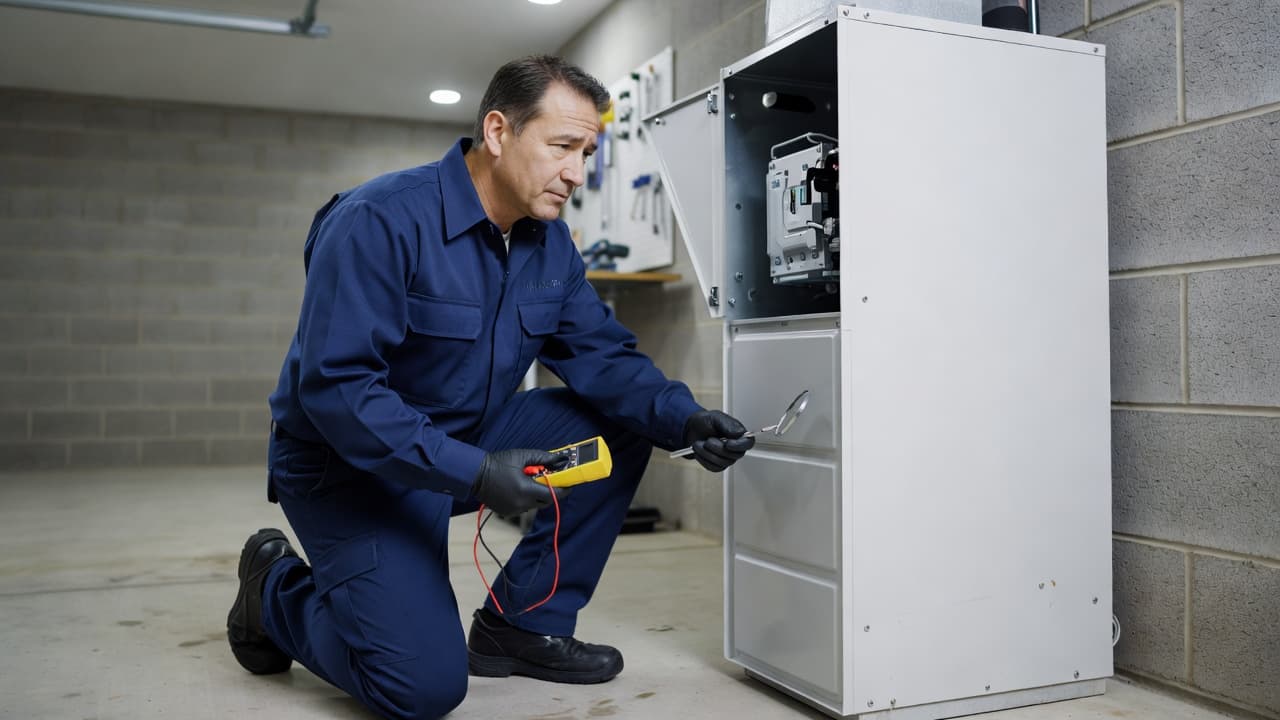
A skilled HVAC contractor can check whether the thermocouple is producing the right signal. They can also inspect the pilot assembly, clean the orifice correctly, and confirm that the gas valve is opening and holding as it should. These tests are essential because different failures can look almost identical to the untrained eye.
Age is another significant clue. An aging furnace often collects rust, soot, and scale around the burner area. That buildup changes airflow and weakens flame contact. In some cases, a professional inspection is required to check for a crack in the heat exchanger, which can be a serious safety hazard. Meanwhile, worn pilot tubing or a failing valve can cause random shutdowns that seem to come and go.
This is also where a broader system check helps. A furnace with pilot trouble may also have venting issues, poor combustion air, or deferred maintenance from prior seasons. If the flame dies a few seconds after you let go of the control knob, reliable furnace repair specialists can test the actual cause instead of swapping parts blindly.
Professional service is the smart call when:
- the pilot won’t stay lit after careful relighting
- the flame is yellow, noisy, or unstable
- the unit is older and hasn’t had recent maintenance
- you notice soot, gas odor, or repeated shutdowns
That last point matters most. Pilot failures are annoying, but unsafe combustion is a different level of problem. If your unit is older, it is highly recommended that you install a carbon monoxide detector for your family’s safety. When in doubt, or if you suspect a gas leak, prioritize emergency furnace repair to ensure your home remains safe and warm.
How to stop repeat pilot light trouble
Once the flame is stable again, prevention is fairly simple. A standing pilot needs clean air, clean parts, and regular attention.
Start with yearly heating maintenance before cool weather arrives. A technician can clean the pilot assembly, check the thermocouple, inspect burners, and confirm safe venting. A yearly visit for expert furnace and heat pump services helps catch weak parts before the first cold night.
Homeowners in Fallbrook often stay focused on air conditioning through long warm stretches. Then the first chilly evening arrives and the furnace gets its first real workout in months. That is why fall service matters. If you already schedule AC repair or A/C tune-ups during summer, add a heating check before winter arrives. During this visit, your technician can also verify that your thermostat settings are optimized for the coming season.
Keep the area around the unit clean and open. Change filters on schedule to maintain better air quality throughout your home. Also, pay attention to new drafts after garage changes, door replacements, or vent work. Small airflow shifts can affect a tiny pilot flame more than most people expect.
If your furnace is near the end of its life, repeated pilot problems may persist. At that stage, the repair itself may be small, but the pattern suggests the system needs a closer look. If your unit is outdated, considering a furnace replacement can be a smart move. Upgrading to an energy-efficient model often solves chronic reliability issues and provides long-term peace of mind. If you find yourself frequently calling for repairs, professional furnace installation of a modern system might ultimately be more cost-effective than constant fixes.
A steady flame starts with the right fix
When a furnace pilot light keeps going out in a Fallbrook home, the cause is usually clear once someone checks the flame, sensor, and gas flow together. A weak thermocouple, debris, or a draft can all stop the system from running, and each calls for a specific solution.
A safe, lasting repair is always better than repeated relighting attempts. If you are struggling with a persistent furnace pilot light Fallbrook issue, or if the flame simply will not stay lit, the next step is to Book Online before the next cool night leaves your family without heat.
FAQ
Can I keep relighting the pilot if it won’t stay on?
You should avoid trying to relight the pilot repeatedly. One or two careful attempts are sufficient. If the flame continues to die, the underlying issue might be a faulty thermocouple, a dirty pilot assembly, or a gas supply problem. Continuing to force it won’t fix these mechanical faults and can make it harder for a professional to diagnose the root cause.
Why does my pilot light go out only at night?
That often points to airflow issues. Cooler night air, stronger wind, or a draft moving through the garage or utility space can easily disturb the flame. In Fallbrook, this frequently happens when evening temperatures drop and shifting air pressure near vents or doors impacts the burner chamber.
Does a dirty filter cause pilot light problems?
Not usually on its own. A clogged filter primarily restricts airflow through the furnace, whereas the pilot light relies more on consistent gas flow and direct flame contact with the thermocouple. Still, a dirty filter adds unnecessary strain to your entire heating system, so replacing it is always a smart first step when you notice furnace performance issues.
Do all furnaces have pilot lights?
No. Many newer systems utilize electronic ignition instead of a standing pilot light. If you cannot find a small, constant flame, your furnace likely uses an igniter. In that case, a no-heat problem may present similar symptoms, but the repair path for these modern systems is quite different from older, pilot-based units.