

Why Weak Airflow Vents Oceanside Homes Struggle
My Guy is Proud to Be "Your Guy" for Your Home
When a vent barely moves the curtain on a warm Oceanside CA afternoon, comfort disappears fast. Dealing with weak airflow vents in Oceanside makes rooms feel stuffy, drives energy bills up, and often points to an underlying HVAC system problem that will not resolve on its own.
Sometimes the fix is simple, such as replacing a clogged filter or clearing a blocked return grille. In other cases, air might be leaking into the attic, or the blower is failing to push enough air through the system. If you are noticing weak airflow at vents in Oceanside homes, the cause usually falls into a few clear categories.
Key Takeaways
- Start with the Basics: Before assuming a major system failure, check for dirty air filters, blocked return grilles, and furniture obstructing supply vents, as these simple restrictions are the most common causes of weak airflow.
- Hidden Duct Issues: Leaking, crushed, or disconnected ductwork in attics and crawlspaces often results in conditioned air escaping before it reaches your living space, particularly in rooms far from the air handler.
- Equipment Performance: Weak airflow throughout the entire house often points to a failing blower motor, a dirty evaporator coil, or a malfunctioning capacitor that prevents the system from moving air efficiently.
- Professional Diagnosis: If basic maintenance does not resolve the issue, a professional HVAC inspection can identify complex problems like system imbalance, incorrect duct sizing, or refrigerant leaks that require expert repair.
Start with the simple airflow blockers
The most common airflow problems start close to the indoor unit. Dirty air filters are the easiest example. When these filters fill with dust, pet hair, and lint, air cannot pass through them freely. The system still runs, but it strains to pull air in and push it back out.
That restriction affects both air conditioning and heating. In summer, rooms cool slowly. In winter, the house may feel uneven, even when the thermostat says the temperature is fine. If the air filters look gray, packed, or bowed inward, airflow has probably been dropping for a while.
Blocked supply vents and return grilles cause trouble too. Homeowners often close vents in unused rooms, hoping to save money. In most systems, that backfires. Pressure builds in the ducts, airflow drops elsewhere, and the blower works harder. Large sofas, curtains, and rugs can also choke off airflow without anyone noticing. If your return grilles have been neglected for years, professional vent cleaning can often restore the necessary intake capacity.
Another overlooked issue is the indoor evaporator coil. Dust can collect on the coil over time, especially if the air filters were not changed often enough. When that happens, air has a harder time moving through the unit. In severe cases, the coil gets so cold that it freezes, and airflow at the vents drops even more.
This quick guide helps narrow down where to look first:
| What you notice | Likely cause |
|---|---|
| Weak air at most vents | Dirty air filters, evaporator coil restriction, blower issue |
| One room gets much less air | Closed dampers, crushed branch duct, blocked vent |
| Airflow has slowly gotten worse | Filter buildup, evaporator coil restriction, duct leaks |
| Long run times in both seasons | Shared airflow problem, dampers, or blower system issues |
If airflow is weak across the house, start with the basics before assuming you need major AC repair. Consistent maintenance, such as installing a fresh filter and ensuring clear returns, can solve more problems than people expect. Still, if nothing changes, the problem is probably deeper in the system, and you may need to schedule a professional AC repair.
Ductwork problems often hide in attics and walls
Ductwork is easy to forget because most of it stays out of sight. Yet it has a huge effect on how air reaches each room. When your home’s ductwork leaks, sags, disconnects, or gets crushed, conditioned air never makes it to the vent with full force.
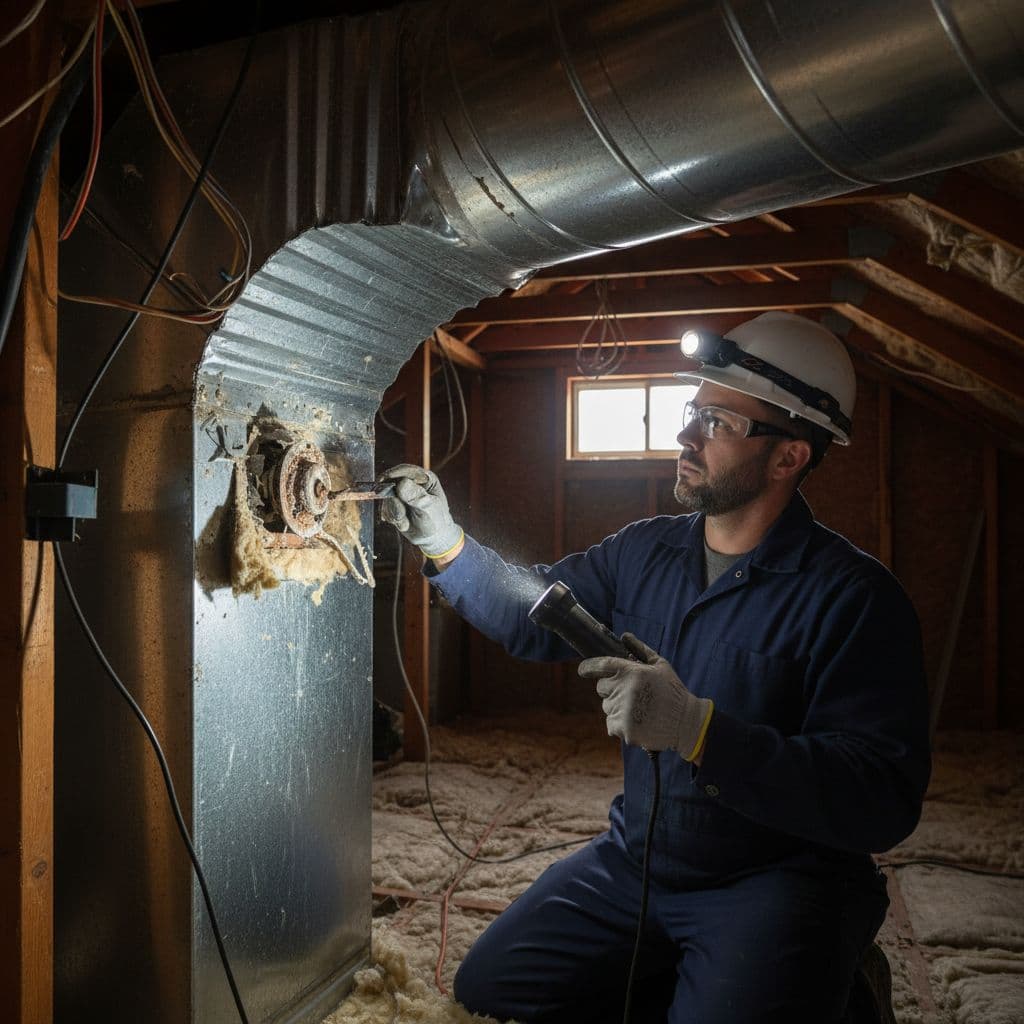
In many Oceanside homes, duct runs pass through hot attics or tight crawlspaces. Flexible ducts can kink when they bend too sharply. Older duct tape can dry out and fail, leading to significant duct leakage that allows cooled or heated air to escape into your attic. You pay to treat the air, but a portion of it never reaches your living space.
Room-specific airflow problems often point to these structural issues. If the bedroom at the end of the hall always feels weak while the living room feels normal, that branch duct may be leaking or pinched. The same can happen after a remodel, a roof job, or electrical work in the attic. Someone might move a duct out of the way, and it never gets reconnected quite right.
If one room feels starved while the rest of the house seems fine, the duct serving that room is often the first place to inspect.
Duct sizing matters too. Some homes were built with small returns or long supply runs that do not match the current equipment well. If a newer system was connected to older, undersized ducts, the blower may struggle to move the required volume of air. This creates high static pressure, which puts significant strain on the system and cuts airflow at the vents.
A thorough HVAC inspection goes beyond peeking into one register. A technician checks for leaks, disconnected runs, crushed flex duct, and pressure problems. When weak airflow shows up in only part of the house, professional duct balancing is often the solution to restore comfort and improve your overall indoor air quality.
Blower motor and AC equipment issues can starve the vents
If your air filters and ducts appear to be in good condition, the next culprit to investigate is the equipment itself. The blower motor is the mechanical heart of your system, responsible for pushing air through the home. When this component weakens, slows down, or struggles to engage, airflow drops significantly throughout the entire house.
Sometimes the issue stems directly from a failing motor. In other cases, the problem involves a faulty capacitor, a damaged control board, a worn belt on older systems, or a blower wheel caked in layers of dust. Even a powerful motor cannot move air effectively if the wheel blades are coated in grime. Your system may sound like it is running normally, yet the air coming from the vents feels lazy and inconsistent.
Cooling problems can also make airflow issues seem more severe. If the indoor evaporator coil freezes, air cannot pass through the system properly. Homeowners often notice this as weak airflow first, followed by warmer rooms later in the day. Common culprits for this icing include refrigerant leaks, poor maintenance, or existing airflow restrictions. Once ice forms, the system requires more than a simple thermostat adjustment to function correctly.
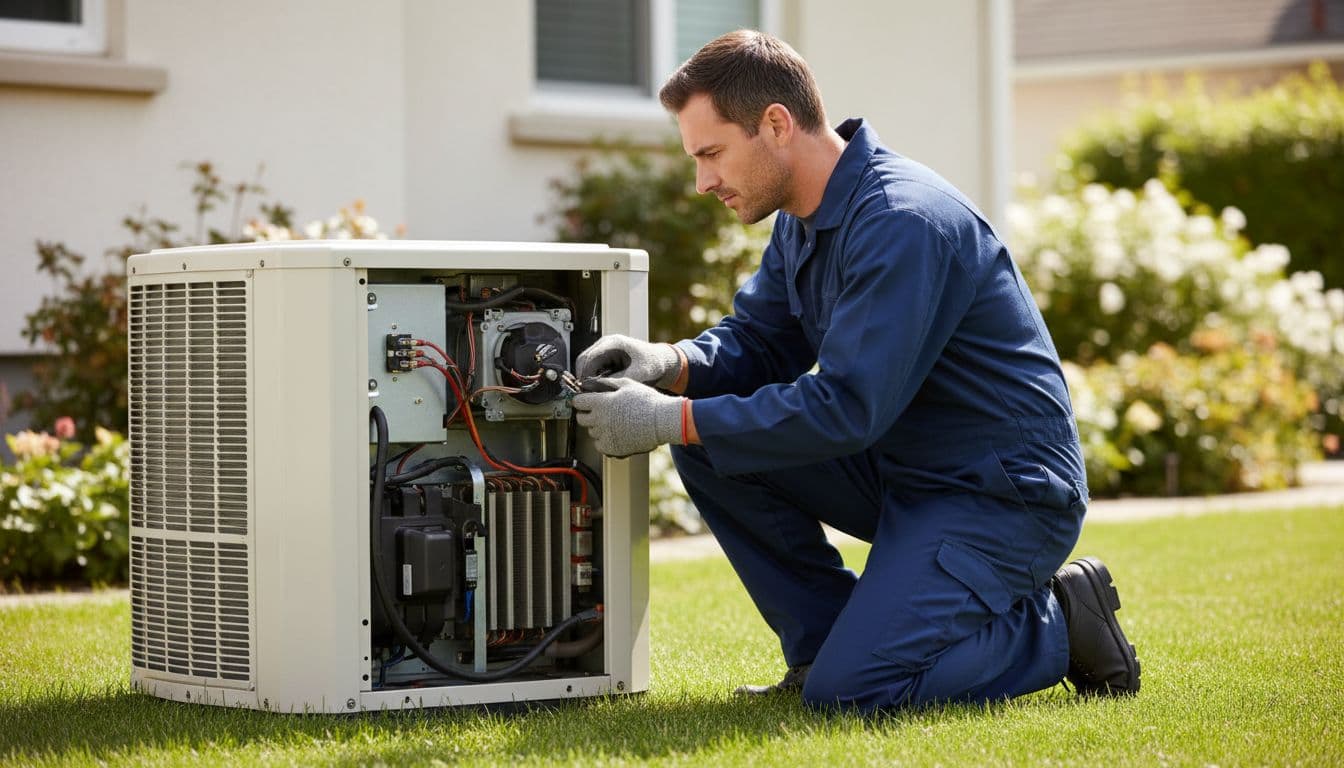
This is where professional AC repair makes a significant difference. A proper diagnosis evaluates blower speed, amp draw, coil condition, refrigerant levels, and total system pressure. These checks also rule out issues like stuck zone dampers or incorrect fan settings on variable speed equipment. By ensuring your system performance is optimized, you not only resolve the airflow problem but also improve the overall energy efficiency of your home. Without these professional diagnostic steps, it is easy to replace the wrong part and continue dealing with weak airflow.
Pay attention to when the problem occurs. If airflow is poor during both summer cooling and winter heating, the shared air side is the likely cause, meaning the blower, return duct, or supply ductwork needs attention. If the issue appears only during the cooling season, a frozen coil or a cooling side fault becomes more probable.
Age also plays a major role. Older systems lose performance gradually, so homeowners often adapt without realizing how much airflow they have lost over time. Eventually, a particularly hot week hits and the house can no longer keep up. Weak airflow is not always dramatic at first, but it typically worsens until professional intervention restores the system to peak condition.
Why Oceanside homes can feel this problem more
Local conditions make airflow issues easier to notice. Oceanside homes often deal with warm afternoons, cool evenings, salt-heavy coastal air, and long cooling seasons. Because your system runs frequently, even minor restrictions quickly transform into noticeable comfort problems. Improving home comfort starts with understanding how your specific air circulation patterns respond to different thermostat settings.
Many houses also have a mix of old and new components. A homeowner may replace the furnace or air handler, but keep older ducts in place. The equipment improves, yet airflow stays uneven because the duct layout remains unchanged. In other homes, additions create long branch runs that fail to deliver enough air to the far ends of the property.
Open windows, beach dust, and daily foot traffic load filters faster than many expect. Meanwhile, closed bedroom doors can restrict return air movement and cause rooms to feel stale. If upstairs rooms remain stuffy or one side of the home consistently lags behind, you likely need a professional approach to HVAC airflow optimization. This might involve system balancing, duct modifications, or return-air improvements to ensure every room stays comfortable.
Beyond general performance, keep in mind that coastal humidity can impact other home systems. It is wise to perform regular dryer vent cleaning and check your lint trap frequently, as moisture causes lint to clump and create potential fire hazards.
Homeowners should also watch for signs beyond simple temperature issues. Whistling vents, dusty rooms, rising utility bills, short cycling, and persistent hot or cold spots all suggest the house is not moving air properly. In such cases, a professional HVAC service visit is more effective than guessing at the cause. When the filter is clean and your vents are open but airflow remains weak, you need a measured diagnosis to save time, money, and frustration.
Frequently Asked Questions
Why does my room feel stuffy even when the AC is running?
If a specific room feels stagnant, it is often due to a blocked return air path or a restricted supply duct. Check to ensure furniture or rugs are not covering vents, and consider if closed bedroom doors are preventing air from circulating back to the central system.
Can a dirty air filter really affect airflow that much?
Yes, a clogged or dirty filter acts as a physical barrier that forces your blower motor to strain to pull air through the system. This not only reduces the amount of air reaching your vents but can also lead to increased energy bills and premature system wear.
Is it normal for my AC airflow to be weaker in the summer?
Weak airflow is often more noticeable during the peak of summer because the system is under higher demand. If the airflow feels significantly lower only during this season, it may indicate a frozen evaporator coil caused by restricted airflow or a refrigerant issue that requires professional attention.
How do I know if my ductwork is leaking?
Signs of leaking ducts include inconsistent temperatures between rooms, high energy bills, and a noticeable drop in airflow at vents located at the end of a duct run. A professional HVAC technician can perform a pressure test or visual inspection in your attic or crawlspace to locate these leaks and seal them properly.
Getting airflow back to normal
When vents blow weak air, the system is usually dealing with a blockage, a leak, or a blower problem. The good news is that the cause is often traceable once you check the basics and look at the whole path the air follows.
A clean filter and open vents are the first steps. You should also consider professional air duct cleaning to remove obstructions that restrict your total CFM, or cubic feet per minute. After that, duct leaks, frozen coils, and aging blower parts move to the top of the list. In many Oceanside homes, weak airflow sticks around because the real issue sits out of sight, rather than being a simple thermostat error.
If several rooms feel starved even after the basic maintenance, the next step is a full system diagnostic. Sometimes, the physical layout of a home requires a zoning system or a booster fan to ensure every room receives adequate pressure. If the components are simply past their prime, a professional installation or a complete equipment replacement may be the only way to restore your system to its original performance. Strong comfort starts with strong airflow, and identifying the right solution ensures your home remains cool and efficient year-round.