

2026 Refrigerant Rules for Cooling System Buyers
My Guy is Proud to Be "Your Guy" for Your Home
Buying a new cooling system in 2026 involves more than just selecting a brand, tonnage, and price. The 2026 refrigerant rules now dictate what equipment can be installed, what units remain eligible for repair, and how long older inventory will stay on the market.
If you are shopping for air conditioning in Escondido or anywhere in San Diego County, making the wrong choice can lead to significant headaches down the road. Because these regulations impact the efficiency and longevity of modern HVAC systems, it is important to understand the latest standards. The good news is that the 2026 refrigerant rules are easy to follow once you understand the specific dates and labels that matter for your home.
Key Takeaways
- New residential and light commercial cooling systems installed in 2026 are required to use low-GWP, A2L refrigerants, which primarily consist of R-454B or R-32.
- R-410A is no longer the standard for new equipment, though some pre-2025 inventory remains eligible for installation under limited 2026 exceptions.
- Homeowners are not required to replace an existing system simply because refrigerant regulations have changed, but your replacement options have evolved.
- If you are replacing your current air conditioning system, heat pumps, or a matched setup with a gas furnace, be sure to ask your contractor about the refrigerant type, the manufacture date, and if the indoor and outdoor units are a full model match.
- While simple DIY checks can help you identify common issues, any tasks involving R-410A or A2L refrigerant handling and system leak repairs must be performed by licensed HVAC professionals.
What changed under the 2026 refrigerant rules
The main shift came from the EPA’s HFC phase-down under the AIM Act, which mandates a significant reduction in the use of hydrofluorocarbons. As part of the broader Technology Transition Rule, the EPA set a clear path for the HVAC industry to move away from high-impact chemicals. Starting January 1, 2026, newly installed residential and light commercial cooling systems in the US must use refrigerants with a global warming potential of 700 or less.
That change effectively pushed older R-410A out of the default replacement market. Because R-410A has a GWP of 2,088, it sits far above the new GWP limits. In its place, most residential brands have transitioned to A2L refrigerants, specifically R-454B or R-32.
A quick timeline helps sort out the confusion:
| Date | What changed | What it means for homeowners |
|---|---|---|
| January 1, 2025 | New R-410A equipment stopped being manufactured for the standard residential market | Dealers could still sell existing inventory |
| January 1, 2026 | New residential and light commercial installs reached the installation deadline for systems at 700 GWP or below | Most new systems now use R-454B or R-32 |
| July 27, 2026 | EPA allowed installation of certain pre-2025 R-410A units until old stock runs out | A legal R-410A install is still possible, but only from finite inventory |
| No later than January 1, 2028 | Final sale cap for some window and portable units covered by the exception | Smaller plug-in products get more runway than field-installed systems |
The headline is simple: if you buy a new central air conditioning system in 2026, the normal expectation is a low-GWP refrigerant system.
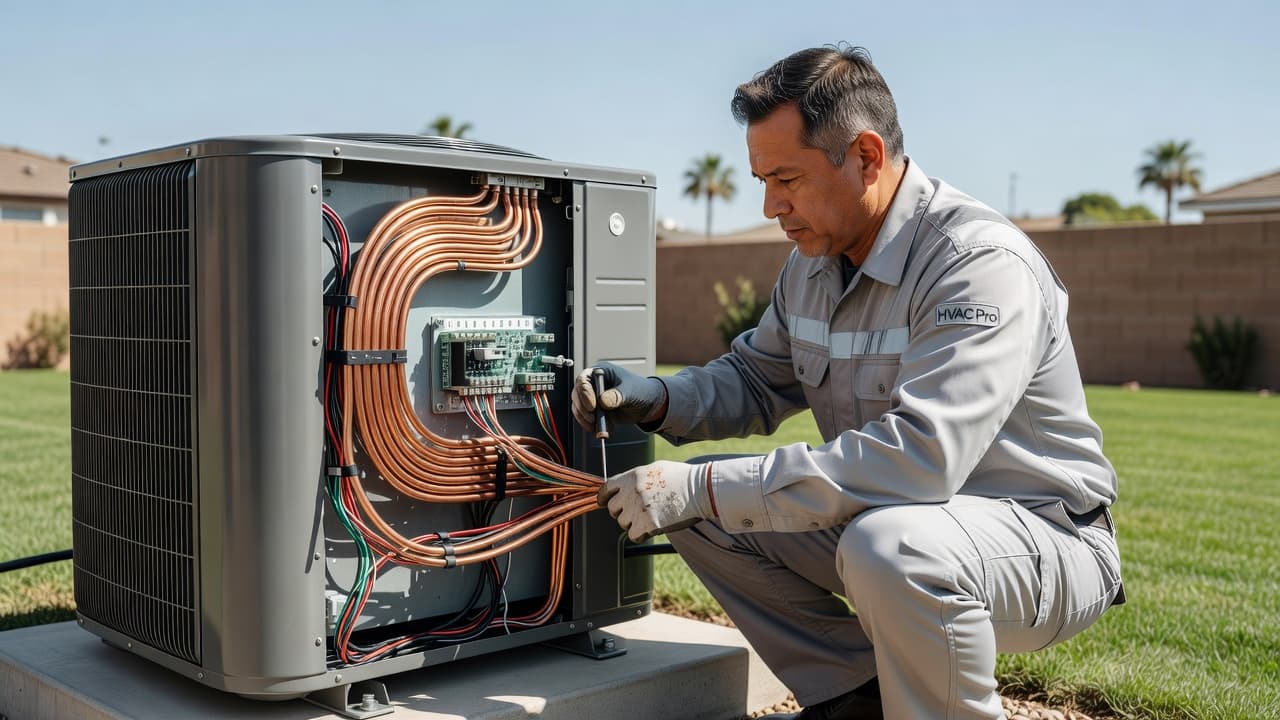
There is one detail buyers often miss. For field-installed split systems, the important compliance date is the installation date. For pre-charged packaged units, the important date is usually the manufacture date. That difference matters if a contractor offers older stock at a discount.
Because of that, a label check matters more than it used to. Ask what refrigerant the system uses, and ask when the equipment was manufactured. A vague answer is a warning sign.
Why R-410A still matters, even though the market moved on
R-410A did not vanish overnight. In July 2026, the EPA finalized an exception that allows the installation of certain R-410A systems manufactured or imported before January 1, 2025, until the existing supply is depleted.
This shift is part of a broader push to reduce the use of hydrofluorocarbons, ensuring that residential cooling meets new standards for environmental compliance. It explains why you may still see an R-410A system on a proposal. While it remains legal in limited cases, it is no longer the future of residential replacement. Because no new complete R-410A systems are being produced for the standard new-install pipeline, the available stock will only continue to shrink.
A new R-410A installation in late 2026 is possible only if it comes from pre-2025 inventory, and that inventory will not grow.
For some buyers, this creates a temptation. A dealer may offer an older unit at a lower price to clear inventory. Sometimes that price cut is significant, but choosing a cheaper option is not always the smartest move if you are locking your home into a refrigerant platform from the past.
That does not mean your current equipment is suddenly useless. If your existing R-410A air conditioning system works well, the rules do not force you to replace it. Repair parts are still being produced for existing systems, and technicians can continue to service them. If your unit only has a minor issue, a simple repair may be the most cost-effective path.
The decision becomes more difficult when an aging unit requires a major repair, suffers from a large refrigerant leak, or fails consistently during peak heat. At that point, replacement often makes more sense because the market, industry training, and equipment supply are all moving toward newer alternatives like R-454B and R-32.
This is where homeowners in Escondido, Vista, and San Marcos can save money by taking a moment to ask one extra question: “Am I buying a current platform, or am I buying leftover inventory?” That question alone clarifies your options and helps ensure your purchase aligns with long-term reliability.
Which parts of these rules affect homeowners most
Some 2026 refrigerant updates sound dramatic but mostly hit commercial buildings, not single-family homes. For example, automatic leak detection requirements apply to systems with more than 1,500 pounds of refrigerant, which is far beyond the capacity of a normal house. However, new leak repair requirements and the 15-pound threshold are the new benchmarks that homeowners should be aware of when maintaining their systems.
The “chronically leaking appliance” standard also applies to HFC equipment with 15 pounds or more of refrigerant. Many residential units fall near or within that range, depending on the specific equipment.
So why should a homeowner care?
Because the service world around your equipment is changing. Technicians, distributors, and manufacturers are all adapting to tighter refrigerant handling and the EPA Section 608 mandates. Compliance with these standards necessitates precise refrigerant recordkeeping, which ensures that modern HVAC systems are maintained according to federal guidelines. This shift affects repair timing, replacement planning, and what equipment gets stocked locally.
In plain terms, the rules do not turn your home into a regulatory headache. They do, however, make it more important to work with a company that understands refrigerant compatibility, leak diagnosis, and current replacement options. If your system is blowing warm air, short-cycling, or freezing at the lines, that is not a good time to guess.
Refrigerant leaks are one area where waiting gets expensive. A low charge can hurt efficiency, strain the compressor, and leave you facing a bigger bill later. When that happens, it is worth calling for professional AC repair in Escondido instead of hoping the problem clears up on its own.
What to ask before you buy a new air conditioning system
A good buying conversation in 2026 should sound more detailed than it did a few years ago. You are not being picky when you ask for the refrigerant name, the model numbers, and the equipment age. You are protecting your budget.
Start with the refrigerant. Ask whether the proposed system uses R-454B or R-32. Both heat pumps and standard split systems are shifting toward these low GWP options to comply with the current market direction. The key point is that the indoor and outdoor equipment must be designed for the same refrigerant, as you cannot treat it like a generic fluid.
Next, ask whether the proposal is a fully matched system. If you have a split system with an outdoor condenser and an indoor coil tied to a gas furnace, those components need to work together. The refrigerant change affects the cooling side, even if the furnace stays in place.
Questions worth asking the installer
A few direct questions can save you from a bad install:
- What refrigerant does this system use, and when was it manufactured?
- Are the indoor coil, outdoor unit, and any air handler or furnace section an approved match?
- Is this a current production model or older inventory?
- What efficiency rating does this system meet for 2026 installation?
- If you mention rebates, which program is active right now, and what proof do I need?
Efficiency matters here too. For 2026 installations, the minimum SEER2 standard in the Southwest region is 14.3 SEER2 for residential central air conditioners under 45,000 BTU, and 13.8 SEER2 for larger systems. When shopping for HVAC systems, California buyers should not assume any random replacement unit clears the bar.
There is another money detail worth remembering. The federal tax credit threshold that many homeowners heard about in 2025 expired on December 31, 2025. So if a salesperson talks about credits in 2026, ask for current proof before counting that money.
If you are weighing bids in Carlsbad, Oceanside, or Poway, look for contractors that offer expert heating and cooling system services and can explain refrigerant choice without dancing around the answer. A clear explanation usually signals a cleaner install process.
One more point matters for buyers replacing both cooling and heating equipment. If your old setup is a central A/C paired with a furnace, you may not need to replace the furnace at the same time. Still, the evaporator coil, refrigerant, and outdoor unit must all line up correctly. A mismatched system is where bargain quotes start to fall apart.
DIY checks before calling for AC repair in Escondido
A few safe checks can tell you whether the problem is simple or whether it’s time to call for help. Homeowners can do these without touching refrigerant lines, gauges, or electrical components.
First, check the thermostat settings. It sounds obvious, but a mode mistake, dead batteries, or a schedule reset can make an A/C look broken when it isn’t.
Then look at the filter. A clogged filter can choke airflow, reduce cooling, and even contribute to ice buildup. If the filter is dirty, replace it and give the system time to recover.
Next, walk outside and inspect the condenser. Clear away leaves, grass, and anything crowding the unit. Good airflow helps the system reject heat, which matters during hot spells in Escondido and Fallbrook.
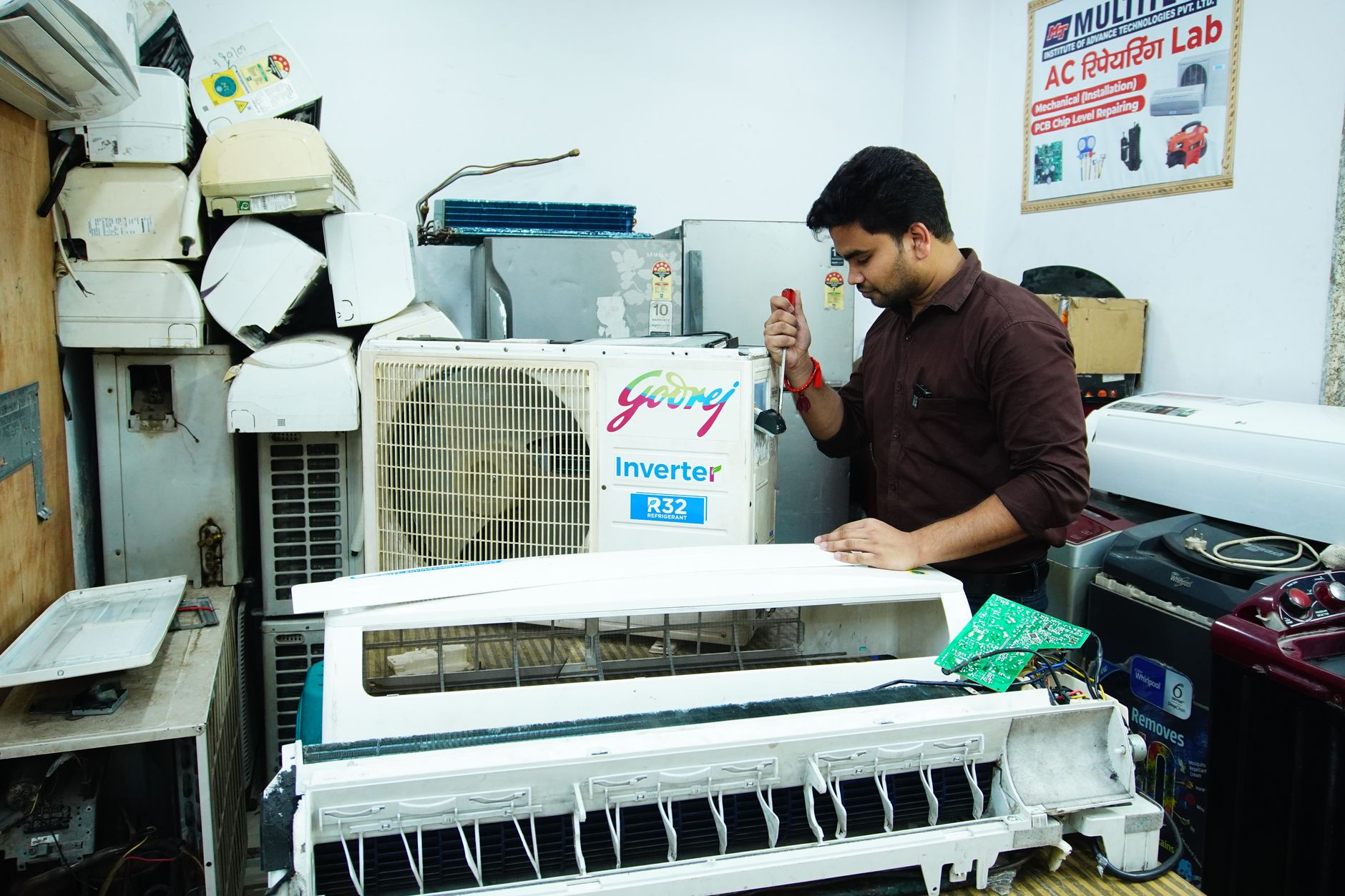
Photo by Multitech Institute
You can also look for warning signs. Ice on the refrigerant line, weak airflow, warm supply air, or repeated hard starts usually point to a bigger issue. In that case, turn the system off and get a pro involved. Running a frozen system can make the damage worse.
What shouldn’t you do? Don’t try to add refrigerant yourself. Don’t open the system. Don’t treat leak sealants as a shortcut. Because of the ongoing HFC phasedown, professional service is more critical than ever. Proper technician certification is now essential for handling new A2L refrigerants and ensuring the overall safety and efficiency of modern HVAC systems.
If you’re unsure what a symptom means, this guide on when to call a professional for AC repairs gives useful signs to watch for, especially with refrigerant-related trouble.
What buyers in San Diego County should do now
The 2026 refrigerant rules apply everywhere in the US, but local buying pressure feels different depending on where you live. Inland homeowners in Escondido, San Marcos, Fallbrook, Poway, and much of San Diego usually feel the heat sooner and harder. When a system fails in July, replacement decisions often get rushed.
Coastal buyers in Carlsbad, Oceanside, and Vista sometimes wait longer because the weather is milder. Still, the same inventory realities apply. Once a contractor’s old R-410A stock is gone, it is gone.
That local timing changes your strategy. If your current AC is noisy, leaking, or struggling through the afternoon heat, it makes sense to start getting quotes before the next heat wave. Waiting until the unit quits can turn a careful choice into an emergency purchase.
For homes with both cooling and a gas furnace, ask whether the contractor is replacing only the air conditioning side or evaluating the whole matched system. When considering heat pumps or new cooling units, be mindful of the upcoming installation deadline for equipment compliance. The best time to ask these questions about your San Diego County home is before the crew is in your driveway.
Most important, don’t let the refrigerant label distract you from install quality. A properly sized, correctly matched, well-installed system on a current refrigerant platform usually beats a rushed bargain every time.
Conclusion
The primary lesson from the 2026 refrigerant rules is straightforward: verify the equipment label, check the manufacturing date, and confirm system compatibility before you make a purchase. While a lower price on older inventory may seem appealing, it is only a smart move if you fully understand the implications of the equipment you are buying.
For most homeowners, investing in a current low-GWP system is the most sustainable long-term choice because that is where the residential market has shifted. If you want a professional second opinion on a quote or need help with a failing air conditioning unit, furnace, or one of the latest high-efficiency heat pumps, Book Online before the next hot stretch makes the decision for you.
FAQs
Can I still buy an R-410A system in 2026?
Yes, but only in limited cases. The EPA allows the installation of certain R-410A units that were manufactured or imported before January 1, 2025, and are still in inventory. That supply is finite, so buyers should confirm the manufacture date before agreeing to the installation of equipment containing these hydrofluorocarbons.
Do the 2026 refrigerant rules mean I must replace my current A/C?
No. If your existing air conditioning system still works, you can keep using it. The rules affect what can be newly installed, not whether an older home system must be removed.
Is R-454B or R-32 better than R-410A?
For the current market, both R-454B and R-32 fit the newer low global warming potential standard better than R-410A. The more useful question for a homeowner is whether the full system is designed for that refrigerant and installed correctly.
Will AC repair become impossible for older systems?
No, older systems can still be repaired in many cases. Manufacturers continue to produce components for existing R-410A equipment. As these systems age, homeowners should stay mindful of maintenance; this includes tracking leak rate calculations and understanding the requirements for chronic leak reporting if a system struggles to maintain its charge.
How do these regulations affect businesses and large-scale cooling?
The transition is part of the broader AIM Act and the Technology Transition Rule, which phase out high-GWP refrigerants across many sectors. This transition impacts commercial refrigeration and industrial process refrigeration, requiring a move toward alternatives like natural refrigerants. Additionally, property managers and business owners should consult with HVAC professionals regarding the long-term viability of complex VRF systems as these regulations continue to evolve.
Does this affect a furnace replacement too?
Not directly in the same way. A gas furnace does not use the cooling refrigerant. However, if your furnace shares an indoor coil with the air conditioner, the cooling components must be compatible with the new refrigerant requirements to ensure system performance.
Are window and portable units under the same deadline?
They follow the same overall transition, but they receive a longer sales runway in some cases. Certain products that do not require field assembly can remain on sale for up to three years after the manufacture compliance date, with a final cap no later than January 1, 2028.